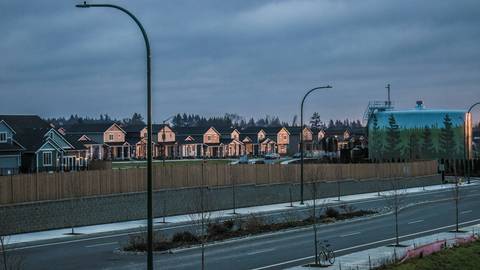

Newly built homes are taxed differently from resale homes in Ontario. Here is how the rebate is structured, why it usually appears as a credit from the builder rather than a cheque, and what changes if the home is not your principal residence.
Why a New Home Is Taxed Differently
One of the first things that surprises buyers moving from resale to new construction is tax. A resale home generally does not attract HST on the purchase price. A newly built home does, because you are buying something that has just been produced rather than something that is changing hands.
To keep new housing from becoming unreachable, both the federal and provincial governments provide a rebate on part of that tax. The rebate is not automatic in the sense of appearing by itself, and it is not the same for every buyer. Understanding its structure before you sign matters, because the way it is handled is written into your agreement.
This article explains the mechanism. It does not state amounts, thresholds or percentages, because those are set by the Canada Revenue Agency and change over time. Confirm the current figures with the CRA or with your own lawyer before relying on them.
Two Components, One Transaction
The rebate on new housing in Ontario has a federal component and a provincial component. They are governed by different rules and calculated differently, but in practice a buyer experiences them as a single adjustment in one transaction.
The federal portion is tied to the value of the home and phases out as that value rises, which means not every purchaser qualifies for it. The Ontario portion works differently and is capped rather than phased out in the same way. The practical effect is that two buyers in the same community can end up with different rebate positions, which is why a generic figure quoted online is rarely the figure that applies to you.
Why You Usually Never See the Money
Most new-home purchasers never receive a rebate cheque, and this causes a good deal of confusion.
In the standard arrangement, the purchase price quoted by the builder is already net of the rebate. The buyer assigns their rebate entitlement to the builder, the builder credits the equivalent amount against the price, and the builder then claims the rebate directly. Everyone ends up in the same position, but the buyer sees a lower price rather than a later refund.
This assignment is a term of your agreement of purchase and sale, and it carries a condition: you have to actually qualify. If it turns out you do not, the builder is entitled to collect the credited amount from you on closing, and that can be a significant and entirely unexpected adjustment on a day when your funds are already committed. Our guide to the agreement of purchase and sale covers how these clauses sit within the broader contract.
The Principal Residence Question
The single biggest factor in whether you qualify is what you intend to do with the home.
The new housing rebate is designed for buyers who are purchasing a place for themselves or a qualifying relation to live in as a primary place of residence. If you intend to rent the home out instead, you are in a different regime. There is a separate rebate route for landlords, but it works on its own timeline and its own application, and crucially it is not the one that gets assigned to the builder and credited against your price at closing.
This is where investor purchasers most often get caught. A buyer who signs expecting to move in, then decides closer to completion to lease the home instead, has changed their position under the rules. That change needs to be raised with a lawyer well before closing rather than discovered afterwards.
Where It Appears in Your Closing Costs
Because the rebate is usually handled as a credit rather than a payment, it interacts with the other adjustments on your statement of adjustments. Those can include utility connection charges, levies and other items that the builder is entitled to pass along. Our breakdown of closing costs on a pre-construction home walks through what else lands on that statement.
The useful habit is to ask your lawyer, during the review period, two specific questions: is the price I am being quoted net of the rebate, and what happens if I do not qualify. Both answers should be in the agreement, and both are much cheaper to establish in week one than in the final week.
What to Do With This
Treat the rebate as a term to be understood rather than a discount to be assumed. Read how your agreement handles the assignment. Be honest with yourself and with your lawyer about whether you are buying to occupy or to lease, because the answer determines which route applies. And take your figures from the CRA rather than from a calculator on a listing site, since the rules are revised and the published thresholds move.
If you are early in the process and want the broader sequence, our pre-construction buying guide sets out the steps in order, and our team is happy to point you to the right professional for advice specific to your situation through the contact page.
The rest of the money picture
These costs are easier to judge together than one at a time. See how deposit structures are staged, development charges and how they are capped and interim occupancy versus final closing.
Pricing and floor plan releases at The Valleys of Thornhill go to registered buyers first. Register for pricing and floor plan releases if you want to be told when they are issued.
Have Questions About Pre-Construction?
Matthew Caporiccio can help you understand pricing, deposit structures, and availability at The Valleys of Thornhill and other pre-construction projects across the GTA.