Parking is one of the most common sources of regret in a new home and one of the least discussed before signing. Here is what each home type at this community offers.
A Decision People Underweight
Buyers spend a great deal of time on kitchens and very little on garages, then spend the following decade interacting with the garage every single day.
It is worth a few minutes of thought before signing, because it is one of the few things about a home that genuinely cannot be changed afterwards. Every home type at The Valleys of Thornhill includes a garage, but the configurations differ by builder and by lot width.
What Each Home Type Offers
The three builders here each deliver a distinct product, and the garage configurations follow that split.
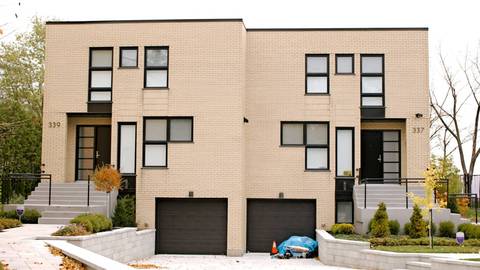
- Treasure Hill builds the townhomes, with two-car garages.
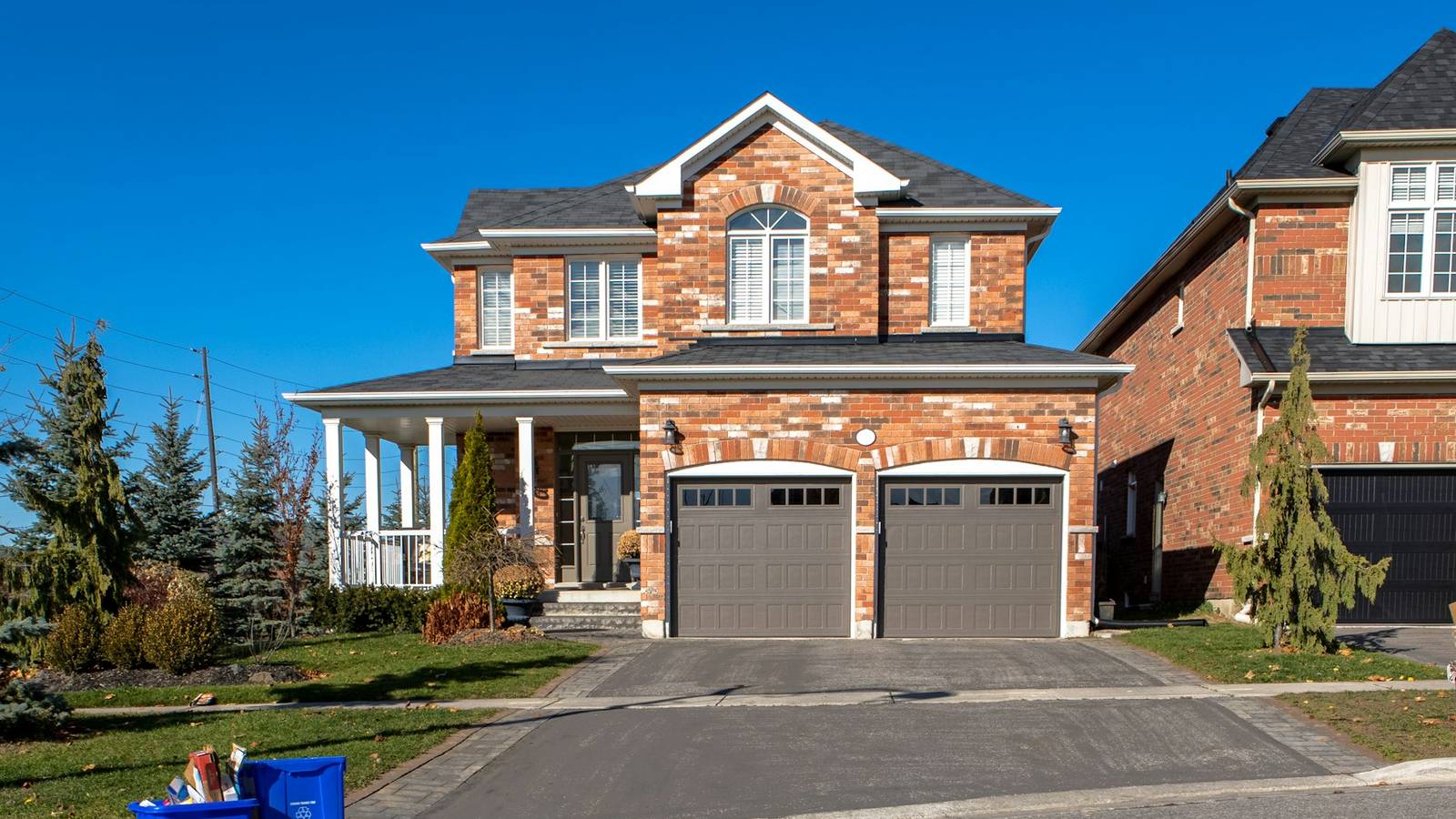
- Starlane Home Corp. builds 33-foot detached singles, with two-car garages.
- Greenpark Group builds 38-foot and 50-foot detached singles, with two and three-car garages.
So a two-car garage is available across all three builders and all the home types, and the three-car configuration is tied to the wider Greenpark product. Our comparison of the three builders sets out the rest of what distinguishes them.
What Two-Car Means in Practice
A two-car garage holds two vehicles. Whether it holds two vehicles and everything else a household accumulates is a different question, and it is the one worth thinking about.
Bicycles, a lawnmower, winter tyres, sports equipment, bins and the general sediment of family life all compete for the same floor area. Plenty of two-car garages end up holding one car and a great deal of storage, which is a perfectly reasonable outcome provided it was a decision rather than a surprise.
Before committing, it is worth counting honestly: how many vehicles now, how many in five years when a teenager is driving, and what else needs to live indoors.
When a Third Bay Earns Its Place
A three-car garage is not only about a third vehicle. In many households the third bay becomes workshop, storage or the place that keeps the other two bays usable.
It is worth weighing against what the same decision costs elsewhere. A wider garage occupies frontage, and frontage is finite. The question is whether that space serves you better as garage or as something else, and the answer is genuinely different from household to household.
The Driveway
Driveway capacity is as practical as garage capacity and more variable, because it depends on lot width and on where the home sits.
A narrower lot generally means a narrower driveway, which can mean vehicles parked in line rather than side by side. That matters more than it sounds when two people leave at different times and one is parked behind the other every morning.
Our article on lot widths and builder options covers how frontage differs across the detached product here.
Charging an Electric Vehicle
This is worth raising at the point of purchase rather than afterwards, because it is far cheaper to run a circuit while the garage is being built than to retrofit one later.
A home charger generally needs a dedicated circuit of adequate capacity, and whether your panel has the headroom for it depends on what else the house is running. Builders commonly offer a rough-in as an option, and asking about it during the décor appointment costs nothing even if you do not own an electric vehicle today. The household that does not want one now may well want one before the mortgage is paid off.
Winter Changes How You Use It
An attached garage is worth more in January than in July, and it is in winter that the configuration decisions show their value.
A vehicle parked inside does not need clearing before work. A driveway that holds cars in line rather than side by side means moving one to reach the other in the snow. And a garage packed to the walls with storage is a garage that holds no cars at all in the month you most want it to. It is worth picturing a February morning when you are deciding what the space is for.
Questions Worth Asking
- What are the interior dimensions of the garage, not just the number of bays?
- Is there a door from the garage into the house, and where does it lead?
- How many vehicles will the driveway hold, and in what arrangement?
- Is there room for storage along the walls once vehicles are parked?
- What is the ceiling height, if overhead storage matters to you?
These are straightforward questions that a sales representative can answer from the plans, and they are much better asked before signing than discovered at the pre-delivery inspection.
You can see the available layouts on the floor plans page, and our guide to choosing a floor plan covers the rest of the decision.
Have Questions About Pre-Construction?
Matthew Caporiccio can help you understand pricing, deposit structures, and availability at The Valleys of Thornhill and other pre-construction projects across the GTA.