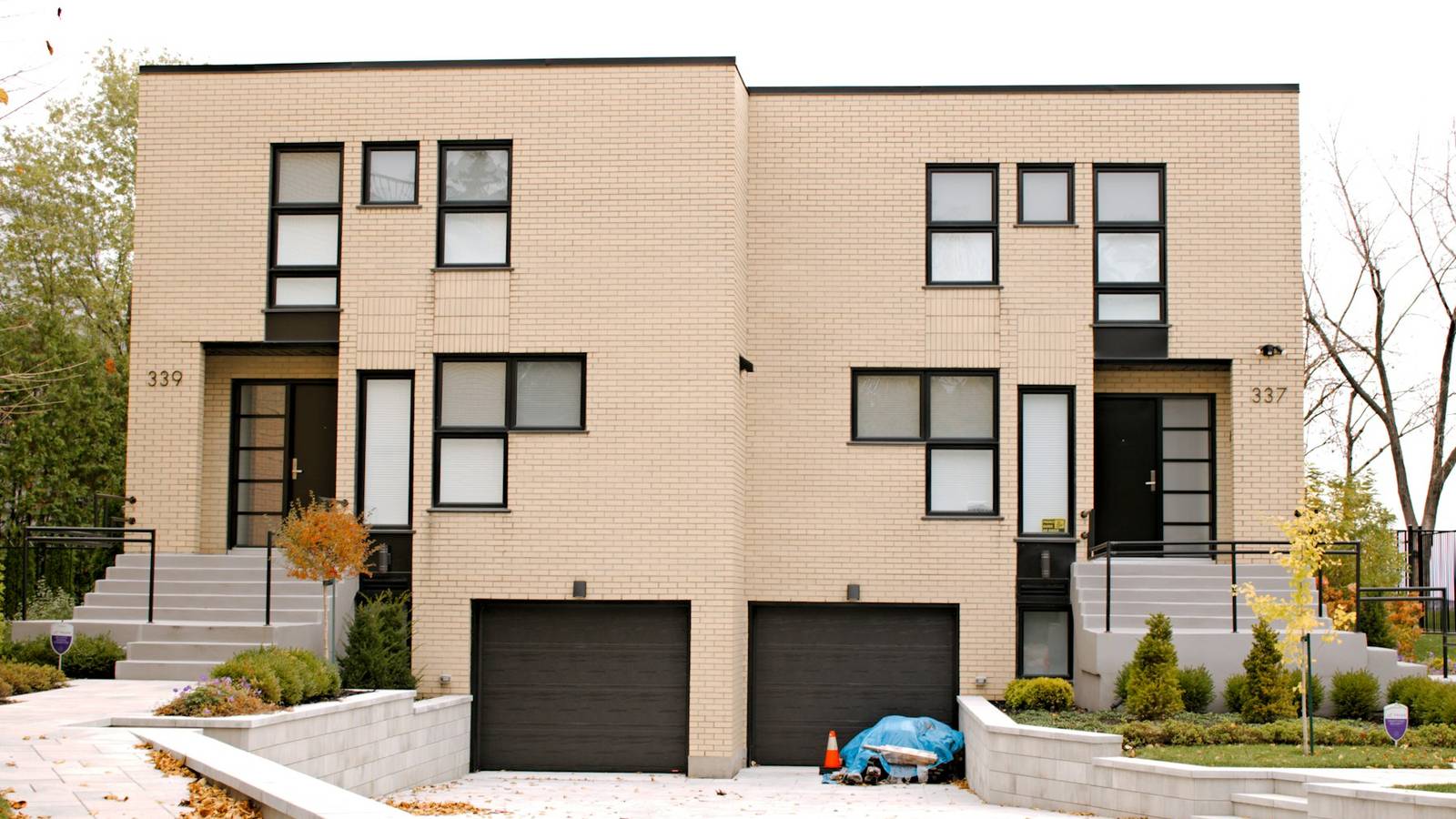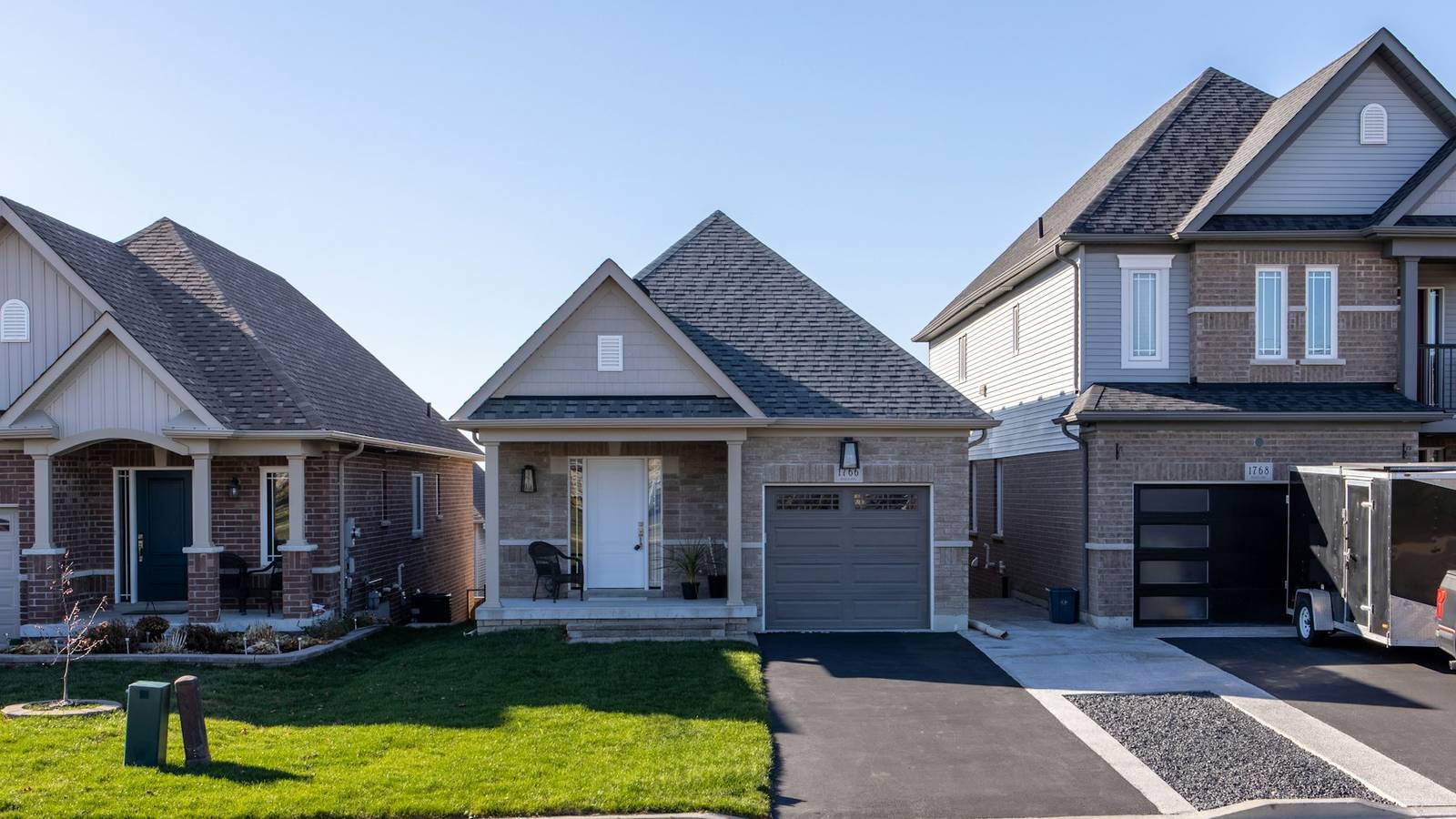
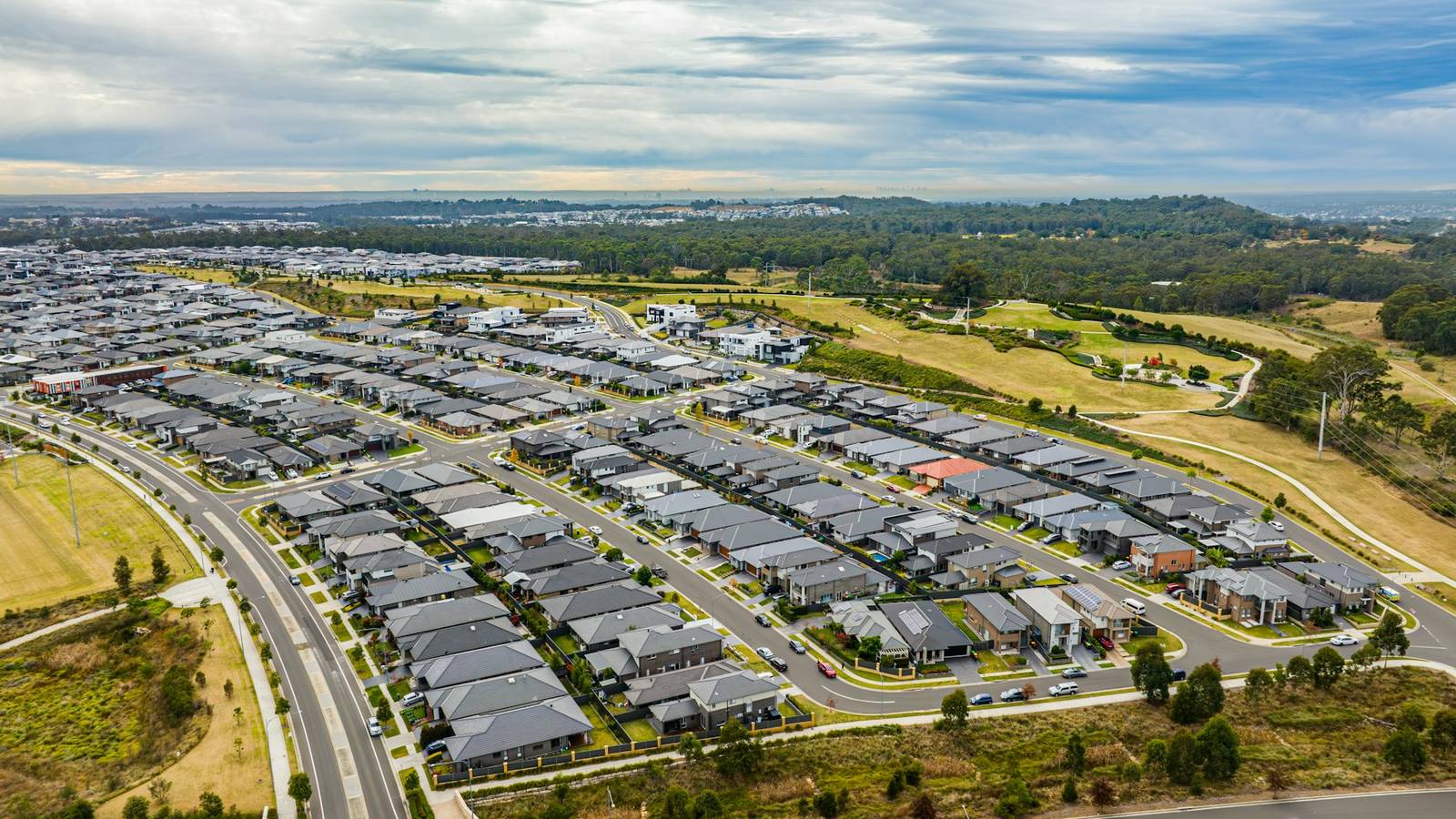
The Valleys of Thornhill brings three established builders into one low-rise community in Vaughan. This guide covers who is building what, how a pre-construction release works, and the questions worth asking before you sign anything.
What The Valleys of Thornhill Is
The Valleys of Thornhill is a planned low-rise residential community in Vaughan, Ontario, in York Region. It is a multi-builder development, which means more than one homebuilder is delivering homes inside the same community rather than a single company building everything. For buyers, that structure matters more than it first appears, and most of this guide is about why.
Despite the name, the community is in the Maple area of Vaughan. The whole of it is within the City of Vaughan. If you are searching by neighbourhood name you may want to search both ways, because the development name and the municipal geography do not line up neatly.
Who Is Building Here, and What Each One Offers
This is the single most useful thing to understand before you visit a sales office. Each builder at The Valleys of Thornhill is delivering a specific product. They are not interchangeable, and you cannot mix and match.
- Treasure Hill is delivering the two-car garage townhomes. If a townhome is what you want, Treasure Hill is who you are buying from.
- Starlane Home Corp. is delivering two-car garage 33-foot single detached homes. Starlane was established in 1992 and has built and sold more than 12,500 homes across the Greater Toronto Area.
- Greenpark Group is delivering 38-foot and 50-foot single detached homes, with two- and three-car garage configurations. Greenpark was founded in 1967 and is one of the longer-tenured builders operating in the GTA.
So the practical sequence is the reverse of what most buyers expect. You do not choose a builder and then look at their homes. You decide which home type and lot width suits you, and that decision determines which builder you are dealing with. A buyer set on a 50-foot lot is talking to Greenpark. A buyer set on a townhome is talking to Treasure Hill. There is no 50-foot Treasure Hill home here and no townhome from Greenpark here.
Lot Width Is the Variable That Drives Everything Else
In a low-rise community, frontage, measured in feet across the front of the lot, is the number that drives price, square footage, garage configuration, and the range of plans available to you. A 33-foot lot and a 50-foot lot are different products with different costs, not the same house on different grass.
Wider frontage generally means more main-floor area, more flexibility in how rooms are laid out across the front of the home, and the option of a third garage bay. Narrower frontage generally means more of the living space is stacked vertically and the garage takes a larger share of the front elevation. Neither is better in the abstract. A household that needs three parking spaces and a main-floor office is shopping differently from a household that wants the lowest entry point into freehold ownership in this community.
Our townhome and detached home pages set out what each collection involves.
What Pre-Construction Actually Commits You To
Buying pre-construction means signing an Agreement of Purchase and Sale for a home that has not been built, choosing from plans and lot positions rather than walking through a finished house. You are committing to a price now and taking possession later, sometimes considerably later.
That has two consequences people underestimate. The first is that your financing has to survive the gap between signing and closing, because a mortgage pre-approval obtained today will not still be in force at closing. The second is that the home you finally take possession of is defined by a document, not by a model suite, so what the agreement says about specifications, substitutions and changes is the only thing that binds the builder.
Our guide to the pre-construction timeline walks through the stages in order, and the buying guide covers the process end to end.
Freehold or Condominium: Confirm Which One Applies
This is not a detail. Ontario treats the two structures differently in ways that change your rights.
A purchase under the Condominium Act carries a statutory ten-day rescission period, during which a buyer may cancel. A freehold purchase does not carry that statutory cooling-off period. Any right to cancel a freehold agreement comes from the agreement itself, if the builder has written one in, and the length and conditions are the builder's to set.
Townhomes in particular can be structured either way. Some are fully freehold. Some are freehold with a common-element condominium corporation covering shared private roads or amenities, which brings a monthly fee. Do not assume. Ask which structure applies to the specific home you are considering, and have a real estate lawyer read the agreement before the rescission window, if there is one, closes.
What Is and Is Not Published About Pricing
Pricing at a pre-construction community is released by phase and changes between phases. It is not a published list that sits still. Anyone showing you a precise, current price list for this community on a third-party website is showing you something they cannot keep accurate.
What you can do is understand the structure of the cost. The purchase price is one line. Beyond it sit the deposit schedule, development and education levies, utility enrolment and meter charges, Tarion enrolment, your lawyer's fees and disbursements, land transfer tax, and any upgrades you select. Several of those are capped in the agreement, or are not, and whether they are capped is worth more to you than a headline price.
Our articles on closing costs and deposit structures go through those line items. For current pricing and plans at this community, request them directly.
A Note on Who Represents Whom
A builder's sales representative acts for the builder. That is their job and there is nothing improper about it, but it means the person explaining the agreement to you is not advising you on it. Buyers often benefit from their own representation in pre-construction for exactly that reason, and in most standard transaction structures it does not cost the buyer directly. Our article on the role of an agent in pre-construction explains how that works.
Questions Worth Asking Before You Sign
- Is this home freehold, or freehold with a common-element condominium corporation? If the latter, what is the fee and what does it cover?
- Are the closing adjustments and levies capped in the agreement? At what amounts?
- What is the deposit schedule, and are the deposits protected under Tarion's deposit coverage?
- What is the builder's right to substitute materials and finishes, and what notice do I get?
- Can the agreement be assigned, on what conditions, and at what fee?
- What is the current anticipated occupancy, and what are the builder's rights to extend it?
- Which specific plans are available on the lot I am being offered, not on the community as a whole?
Where to Go Next
If you are early in the process, start with the development overview and the builder profiles, then read the pre-construction buying guide. If you want to model a payment, the mortgage calculator will take a purchase price and show the monthly figure, though remember that a pre-construction closing is far enough out that today's rate is an estimate rather than a commitment.
Pricing, plans and availability for this community are released by phase and are available on request.
Have Questions About Pre-Construction?
Matthew Caporiccio can help you understand pricing, deposit structures, and availability at The Valleys of Thornhill and other pre-construction projects across the GTA.