Buyers often ask whether a planned community is a sound long-term hold. The honest answer involves mechanisms rather than predictions: here is what actually tends to support value, and what to look at when you are assessing one.
A Question That Deserves a Careful Answer
Buyers considering a planned community almost always ask some version of the same question: will this hold its value?
Nobody can answer that with a number. Property values respond to interest rates, employment, immigration, supply, government policy and plain sentiment, none of which can be forecast reliably by anyone, least of all by someone with a home to sell. What can be discussed honestly is mechanism: the features of a planned community that tend to support value, and the ones that tend to undermine it.
If you want the definition of a planned community first, our article on master-planned communities covers what they are and how they differ from ordinary subdivisions. This one assumes you know that and moves to the value question.
What Tends to Support Value
Infrastructure that arrives with the homes
In an unplanned area, housing often arrives before the services that support it, and residents spend years waiting for the road capacity, schools and recreation that were supposed to follow. In a planned community, that infrastructure is part of the approved plan from the beginning.
This matters for value because a buyer five years from now is purchasing into a finished environment rather than a promise. The difference between "the community centre is there" and "the community centre is coming" is substantial when someone is deciding what to pay.
Coordinated design
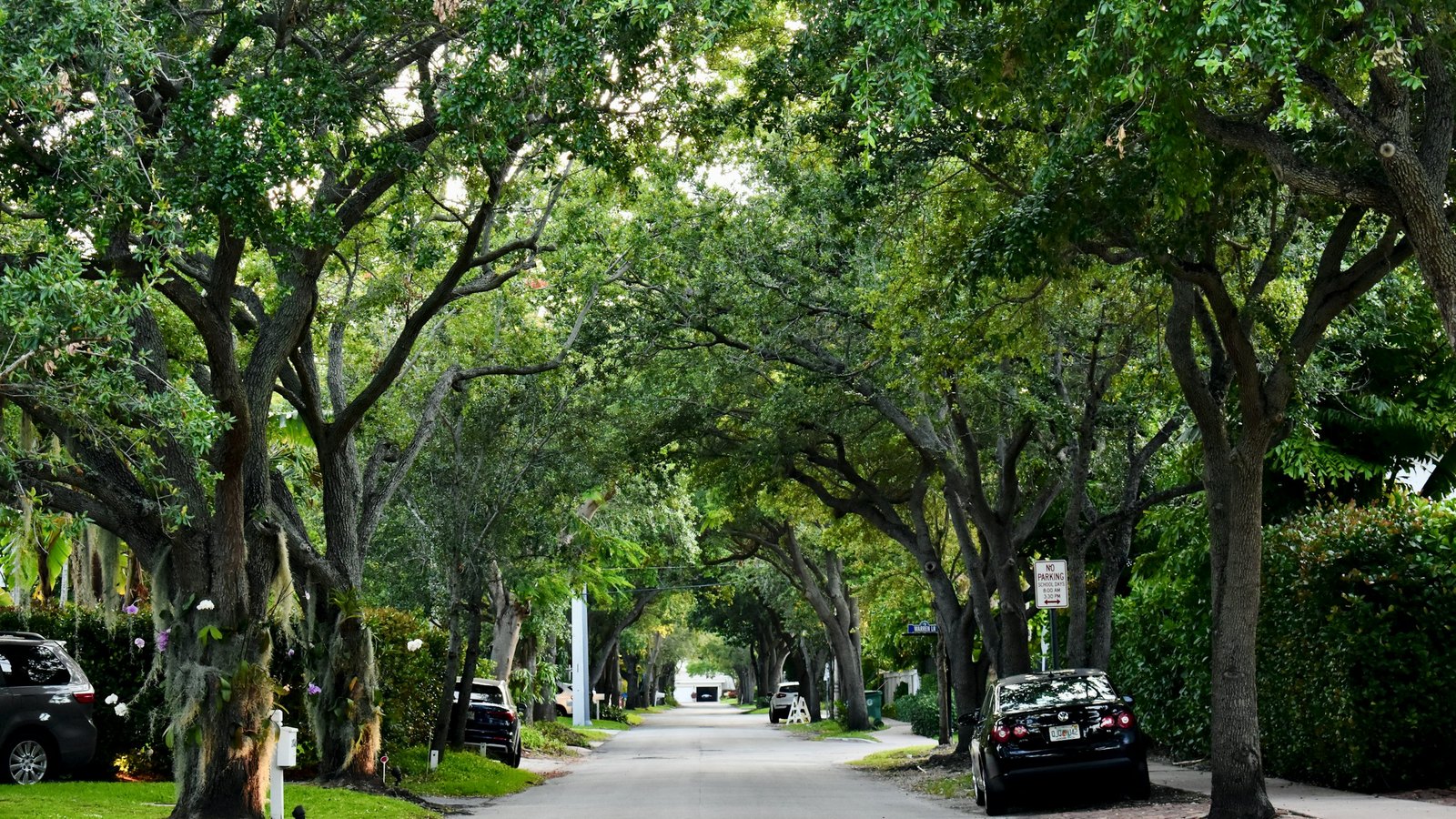
Planned communities apply consistent standards across streetscapes, setbacks, materials and landscaping. The effect is visual coherence, which sounds superficial and is not: coherence is what people are responding to when they describe a neighbourhood as feeling established or cared for. It also constrains the kind of jarring infill that can unsettle a street in an unplanned area.
Amenity within walking distance
Proximity to everyday amenities, parks and schools is one of the more durable value factors in residential property, partly because it cannot be replicated later. A community designed around those things has them built in rather than hoped for. Our article on schools and parks near the community covers what sits nearby here.
Build quality across the whole community
Where several established builders deliver within one plan to a common standard, the quality floor across the community tends to be more consistent than in an area assembled piecemeal over decades. A buyer is less exposed to the condition of whatever happens to be next door.
What Works Against Value
It is only a useful discussion if it runs both ways.
A community that delivers homes but not the promised amenities ends up with the drawbacks of a planned environment and none of the benefits. A community built far from employment and transit depends on car access holding its appeal indefinitely. And a community where every home is very similar can see sharper competition on resale, because a buyer comparing twelve near-identical listings has little reason to choose yours on anything but price.
These are worth weighing honestly rather than dismissing. The right question is not whether planned communities are good, but whether this plan, in this location, is being delivered as described.
What to Look At
If you are assessing a particular community, a few things are more informative than the brochure.
- Look at the approved plan, not the rendering. What is actually permitted and scheduled?
- Check what already exists nearby rather than what is proposed. Existing amenity is certain; proposed amenity is not.
- Look at transit and road connections as they stand today.
- Look at who is building and what they have delivered previously. Our builder profiles set out who is involved here.
- Consider the mix of housing types. A community with a range of forms serves a wider set of future buyers than one with a single product.
The Honest Summary
A planned community is not a guarantee of anything, and anyone presenting it as one is overselling. What it does is remove some of the uncertainty that affects value in unplanned areas: whether services will arrive, whether the streetscape will hold together, whether what gets built next door will be compatible with what you bought.
That is a real advantage, and it is a different claim from a promise about prices. For wider regional context, our overview of the York Region market looks at the broader picture, and the development page sets out what is planned here.
Have Questions About Pre-Construction?
Matthew Caporiccio can help you understand pricing, deposit structures, and availability at The Valleys of Thornhill and other pre-construction projects across the GTA.